
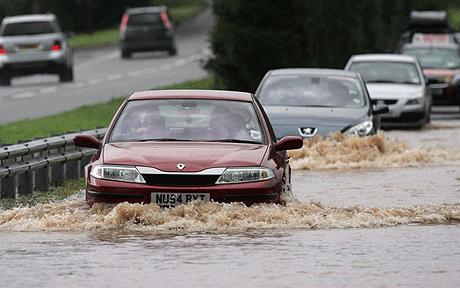
During heavy rainfall, many car owners underestimate the danger of driving through flooded roads and waterlogged areas. While it may seem like a quick shortcut or harmless risk, driving through floodwater can cause severe damage to your vehicle, compromise your safety, and lead to expensive repairs.
1. Engine Damage (Hydrolock)
One of the biggest dangers of driving through floodwater is engine hydrolock. Your engine is designed to compress air, not water. If water enters the engine through the air intake, it can stop the engine instantly and cause major internal damage. In many cases, this can result in a complete engine replacement.
2. Electrical System Failure
Modern vehicles rely heavily on electronic systems, sensors, and computers. Water exposure can damage:
- Engine Control Unit (ECU)
- Wiring harnesses
- Sensors
- Lights and electronics
- Battery and charging systems
Electrical repairs after flooding can be complicated and costly.
3. Brake System Problems
Floodwater can affect your braking system by reducing braking efficiency or contaminating brake components. This creates a serious safety risk, especially during emergency braking situations.
4. Transmission and Differential Damage
Water can seep into the transmission, differential, and other mechanical components. Once contaminated, lubricants lose effectiveness, leading to premature wear, overheating, and costly mechanical failure.
5. Hidden Road Hazards
Floodwater hides potholes, open drains, sharp objects, and uneven road surfaces. What looks like a shallow puddle could actually be deep enough to trap or seriously damage your vehicle.
6. Interior Damage and Mold Growth
Water entering your car’s cabin can damage carpets, seats, electronics, and air conditioning systems. Moisture trapped inside the vehicle can also lead to unpleasant odors, mold growth, and long-term interior damage.
Safety Tips for Car Owners During Rainy Season
✔ Avoid driving through flooded roads whenever possible.
✔ Take alternative routes.
✔ If you cannot judge the water depth, do not attempt to cross.
✔ Maintain your vehicle regularly, especially brakes, tires, and electrical systems.
✔ If your car stalls in water, do not restart it — call a professional mechanic immediately.
Final Thoughts
Your vehicle is an investment. A few minutes saved by driving through flooded areas can result in months of repairs and unnecessary expenses. Protect your car, protect your safety, and make smart driving decisions during the rainy season.
At 24Mobile Mech, we care about keeping your vehicle safe, reliable, and roadworthy.
Need vehicle inspection or flood damage assessment? Contact us today.
#CarCare #CarMaintenance #VehicleSafety #AutoRepair #Mechanic #FloodedRoads #CarOwners #RainySeason #VehicleMaintenance #EngineProtection #AutoTips #CarSafety #AutomobileRepair #24MobileMech #CarRepair #PreventiveMaintenance #DriveSafe #LagosDrivers #NigeriaCars #AutoCare
Blog
This section provides an overview of the blog, showcasing a variety of articles, insights, and resources to inform and inspire readers.
-
Why Does Your Brake Pedal Feel Soft?
What a Soft Brake Pedal Could Mean for Your Safety A soft brake pedal is a warning sign that your vehicle’s braking system needs attention. When the pedal feels unusually low, spongy,…
-
Why Does Your Car Battery Keep Dying?
Common Reasons Your Battery Keeps Going Flat A car battery that repeatedly goes flat can be frustrating, especially when the vehicle refuses to start when you need it. While an old battery…
-
How to Know When Your Car Needs a Major Service
How to know your car needs a major service. Many drivers know when their car needs an oil change, but major servicing is easier to overlook. A major service involves a more…
